Conroe, TX 77301, 77302, 77303, 77304, 77306
Capacitor, Contactor and Fan Motor Repair in Conroe
On a Conroe builder system from the 2000s, the capacitor and contactor are the parts most likely to quit on a 95-degree afternoon, and both test in minutes.
A Conroe condenser starts and stops thousands of times between May and October, and every one of those starts goes through two parts smaller than a coffee mug. On a 2003-boom house the builder's unit has done that for ten to twenty seasons at highs near 95, so the run capacitor is tired and the contactor's contacts are pitted. The symptoms are distinct if you know them. A unit that drones outside while the fan blades sit motionless is the capacitor. A unit that will not switch off even with the thermostat set high is a contactor welded shut. A fan that spins up slowly, wobbles and quits after ten minutes is a motor with dry bearings. Summer lightning down a long Montgomery County feeder line adds surge damage to all three.
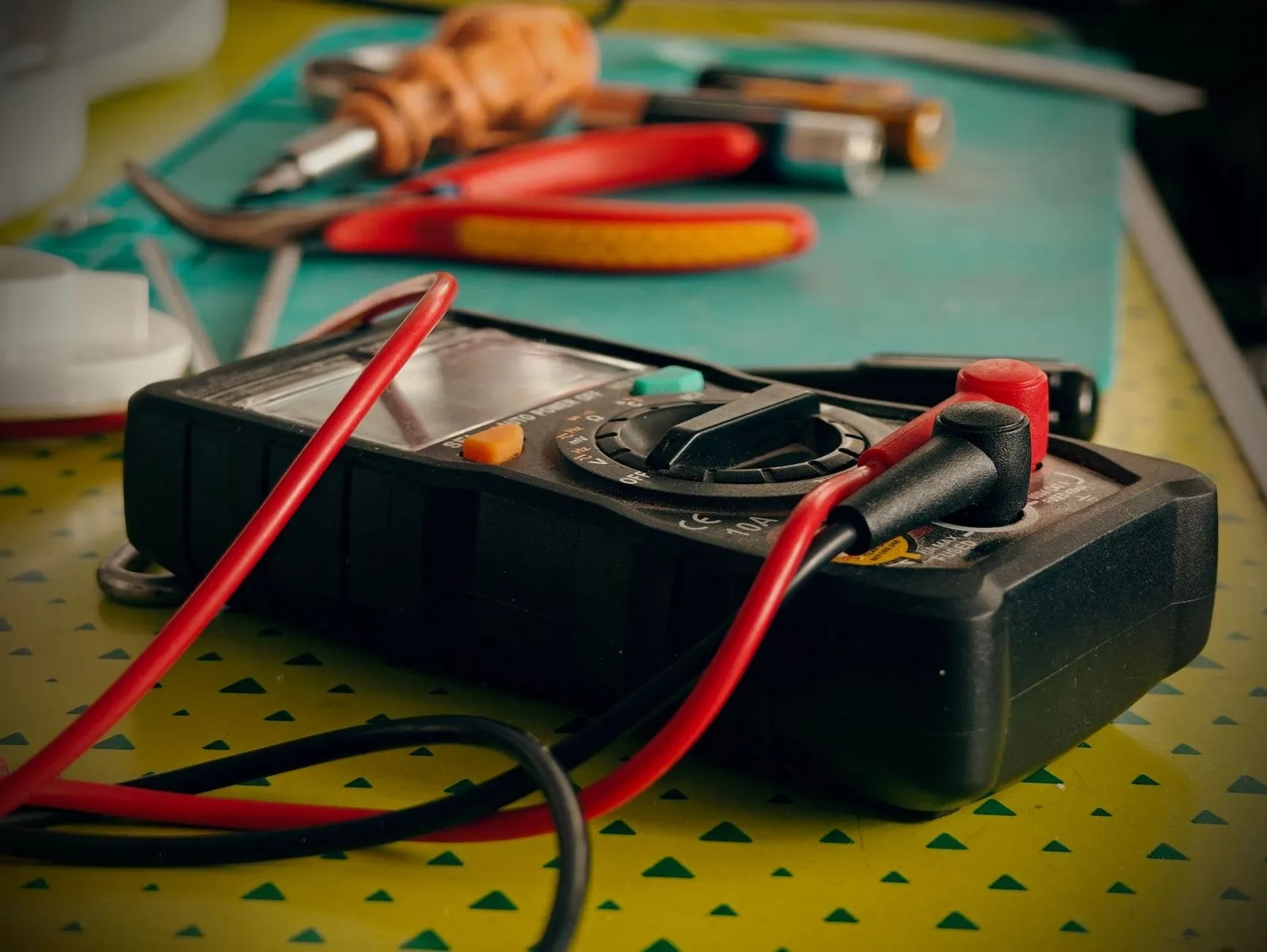
A technician settles all of this with a meter in a few minutes, and the fact that the parts are cheap is exactly why you should watch the reading taken. The capacitor and contactor page explains what the microfarad figure means against the rating printed on the can. Leave the access panel alone yourself: a capacitor stores its charge after the breaker is pulled, and the contactor side carries line voltage. Conroe has annexed land every year since 2007, so if the technician mentions a permit for anything beyond a part swap, ask which office he means. Send us what the unit is doing and a single independent HVAC contractor serving Conroe rings you; the match costs nothing.
If the fan is still and the unit is humming, cut power at the thermostat and leave it off until the visit, because a compressor that keeps trying to start against a dead capacitor cooks its own windings. Note how old the outdoor unit is from its data plate. During the visit, ask for the compressor's start and run amperage to be written on the ticket next to the rating, which tells you whether the capacitor died of age or of a compressor that is on its way out. If the house lost power in a storm just before the failure, say so, and price a surge arrestor at the disconnect while the panel is open. For a unit of this age, a tune-up before next summer is worth the call, and owners in Willis face the same small-parts failures.
Conroe has flooded, and an outdoor unit that stood in water is a different case from one that simply aged. The county had major floods in 2015, 2016 and 2017, and parts of Conroe sit in the floodplain. If your condenser has been wet, the capacitor, contactor and fan motor deserve an inspection even when the unit seems to run, because moisture can work into a capacitor and a pitted contactor can fail months later. Mention any earlier flooding to the contractor so that he checks for silt on the base pan and rust in the control box before he blames age. A tired capacitor and a floodwater scare can look alike from the yard, which is why the meter matters more than the story.
Conroe is also the county seat, and the market shows it: TDLR's licence search, read October 25, 2026, lists 139 contractors with a business address in town. That depth makes it easy to ask for a meter reading on the capacitor and the fan motor's running current, and to compare answers if one visit leaves you unsure. Pine country brings needles into the condenser fins, so ask him to clear them. Conroe is an incorporated city that has annexed land every year since 2007, so a bigger job may need a city permit at an address that was county land a decade ago. Willis lies just north if your usual crew is booked.
Nearby
Also in Conroe
Get connected
Tell us what the AC is doing
One independent HVAC contractor working in your town gets these details and contacts you. Nobody else does, and there is no charge and no obligation.

Capacitor, Contactor and Fan Motor Repair in Conroe?
Tell us what is going on and where the house is. One independent HVAC contractor working in your town contacts you directly. No obligation.
Call (346) 680-2306